Agricultural Workers
Overview
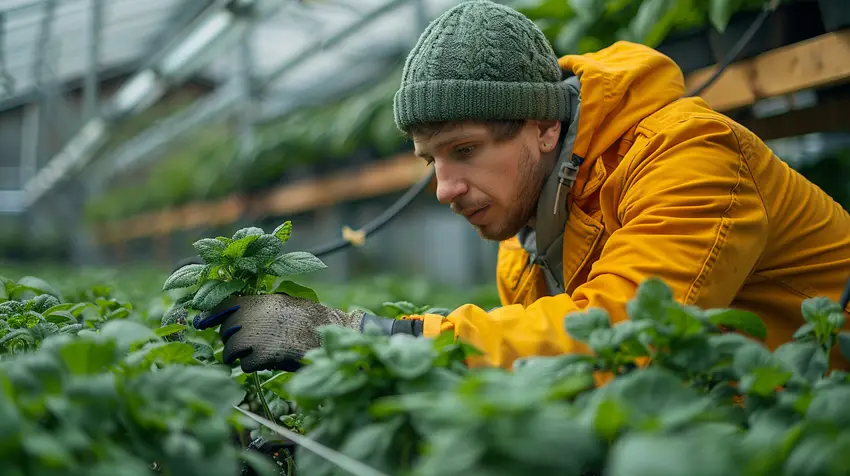
Agricultural workers help grow and maintain crops, plants, and trees in farms, nurseries, and greenhouses. You'll operate modern tractors and machinery to plant, fertilize, and harvest crops, while also doing hands-on work like transplanting seedlings and maintaining irrigation systems. This job combines physical outdoor work with operating high-tech equipment, and you'll develop skills in plant care, machinery operation, and problem-solving. Many agricultural workers today work in collaborative teams and can specialize in areas like organic farming or sustainable agriculture practices.
Did you know?
This occupation requires significant physical stamina and involves working outdoors in various weather conditions, which can be challenging for long-term career sustainability.
At a Glance
$35,374.31 Avg/yr
Median Wage
Stable
Growth
Critical Thinking
Top Skill
Key Responsibilities
- Repair and maintain farm vehicles, implements, and mechanical equipment.
- Direct and monitor the work of casual and seasonal help during planting and harvesting.
- Participate in the inspection, grading, sorting, storage, and post-harvest treatment of crops.
- Inspect plants and bud ties to assess quality.
- Operate tractors, tractor-drawn machinery, and self-propelled machinery to plow, harrow and fertilize soil, or to plant, cultivate, spray and harvest crops.
- Harvest fruits and vegetables by hand.
- Inform farmers or farm managers of crop progress.
- Dig, rake, and screen soil, filling cold frames and hot beds in preparation for planting.
- Maintain inventory, ordering materials as required.
- Provide information and advice to the public regarding the selection, purchase, and care of products.
- Feel plants' leaves and note their coloring to detect the presence of insects or disease.
- Load agricultural products into trucks, and drive trucks to market or storage facilities.
- Tie and bunch flowers, plants, shrubs, and trees, wrap their roots, and pack them into boxes to fill orders.
- Regulate greenhouse conditions, and indoor and outdoor irrigation systems.
- Move containerized shrubs, plants, and trees, using wheelbarrows or tractors.
- Maintain and repair irrigation and climate control systems.
- Dig, cut, and transplant seedlings, cuttings, trees, and shrubs.
- Plant, spray, weed, fertilize, water, and prune plants, shrubs, and trees, using gardening tools.
- Record information about crops, such as pesticide use, yields, or costs.
- Repair farm buildings, fences, and other structures.
- Sell and deliver plants and flowers to customers.
- Set up and operate irrigation equipment.
- Harvest plants, and transplant or pot and label them.
- Clean work areas, and maintain grounds and landscaping.
- Identify plants, pests, and weeds to determine the selection and application of pesticides and fertilizers.
- Haul and spread topsoil, fertilizer, peat moss, and other materials to condition soil, using wheelbarrows or carts and shovels.
- Record information about plants and plant growth.
Career Considerations
Physical Demands and Working Conditions
This occupation requires significant physical stamina and involves working outdoors in various weather conditions, which can be challenging for long-term career sustainability.
Seasonal Employment Patterns
Many positions in this field are seasonal, leading to periods of unemployment and income instability that require careful financial planning.
Immigration Status and Labor Policies
A large portion of the agricultural workforce consists of immigrant workers, making immigration status and related federal policies significant factors affecting job security and working conditions.