Diagnostic Medical Sonographers
Overview
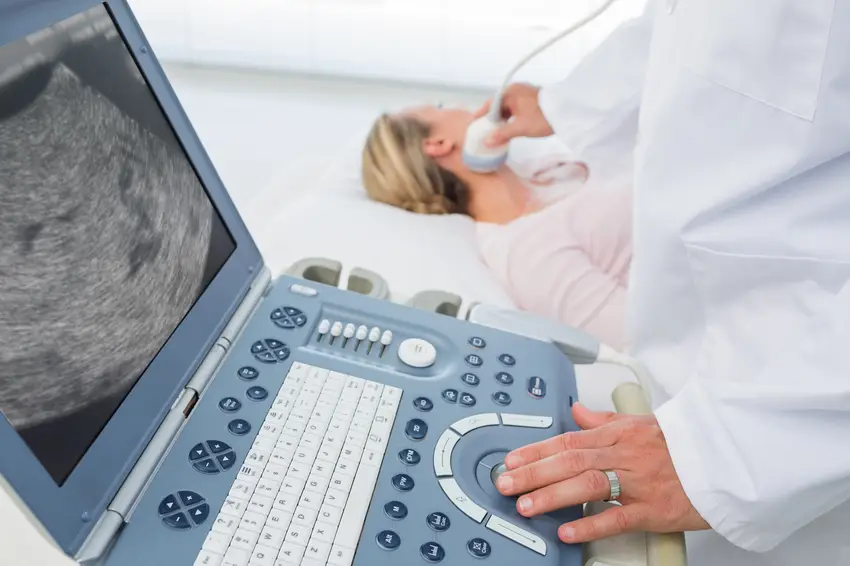
Diagnostic medical sonographers use high-tech ultrasound machines to create detailed images inside the human body, helping doctors diagnose everything from heart conditions to pregnancies. They work directly with patients, preparing them for scans, positioning equipment for the best angles, and analyzing the images to spot normal versus abnormal findings. This career combines technical skills with patient care, requiring completion of an associate degree program and certification. Sonographers collaborate closely with medical teams in hospitals, clinics, and imaging centers, often using cutting-edge 3D and 4D imaging technology.
Did you know?
Most employers in the US require completion of an accredited diagnostic medical sonography program and professional certification through organizations like ARDMS or CCI.
At a Glance
$91,118.04 Avg/yr
Median Wage
Fast Growing
Growth
Troubleshooting
Top Skill
Key Responsibilities
- Operate ultrasound equipment to produce and record images of the motion, shape, and composition of blood, organs, tissues, or bodily masses, such as fluid accumulations.
- Perform legal and ethical duties, including preparing safety or accident reports, obtaining written consent from patient to perform invasive procedures, or reporting symptoms of abuse or neglect.
- Process and code film from procedures and complete appropriate documentation.
- Maintain stock and supplies, preparing supplies for special examinations and ordering supplies when necessary.
- Prepare patient for exam by explaining procedure, transferring patient to ultrasound table, scrubbing skin and applying gel, and positioning patient properly.
- Maintain records that include patient information, sonographs and interpretations, files of correspondence, publications and regulations, or quality assurance records, such as pathology, biopsy, or post-operative reports.
- Observe screen during scan to ensure that image produced is satisfactory for diagnostic purposes, making adjustments to equipment as required.
- Supervise or train students or other medical sonographers.
- Provide sonogram and oral or written summary of technical findings to physician for use in medical diagnosis.
- Record and store suitable images, using camera unit connected to the ultrasound equipment.
- Decide which images to include, looking for differences between healthy and pathological areas.
- Select appropriate equipment settings and adjust patient positions to obtain the best sites and angles.
- Coordinate work with physicians or other healthcare team members, including providing assistance during invasive procedures.
- Load and unload film cassettes used to record images from procedures.
- Observe and care for patients throughout examinations to ensure their safety and comfort.
- Perform clerical duties, such as scheduling exams or special procedures, keeping records, or archiving computerized images.
- Determine whether scope of exam should be extended, based on findings.
- Obtain and record accurate patient history, including prior test results or information from physical examinations.
- Perform medical procedures, such as administering oxygen, inserting and removing airways, taking vital signs, or giving emergency treatment, such as first aid or cardiopulmonary resuscitation (CPR).
- Clean, check, and maintain sonographic equipment, submitting maintenance requests or performing minor repairs as necessary.
Career Considerations
Educational Requirements and Certification
Most employers in the US require completion of an accredited diagnostic medical sonography program and professional certification through organizations like ARDMS or CCI.
Physical Demands and Injury Risk
The profession involves prolonged standing, repetitive scanning motions, and awkward positioning that can lead to musculoskeletal disorders, particularly in the shoulders, neck, and back.
Strong Job Market Growth
The Bureau of Labor Statistics projects 10% job growth from 2022-2032, much faster than average, driven by an aging population and increased use of medical imaging technology.