Earth Drillers
Overview
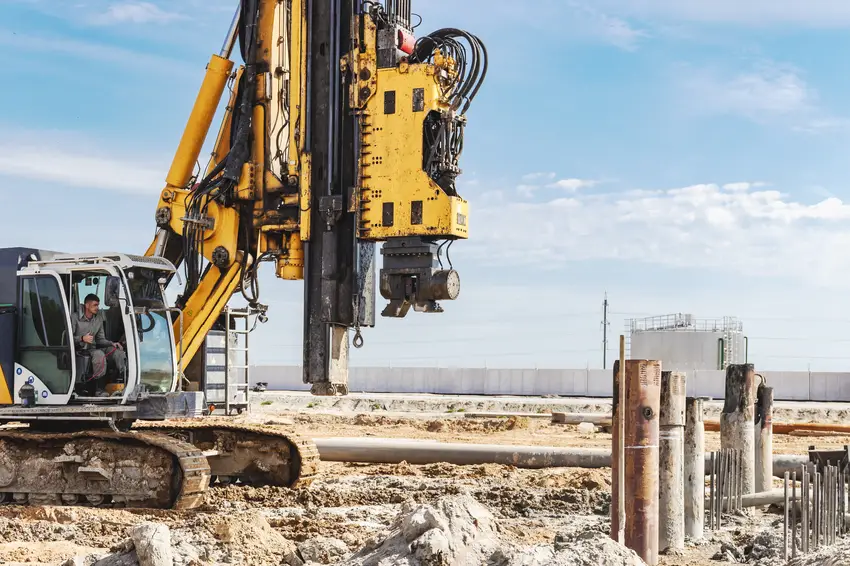
Earth Drillers create holes in the Earth's surface for projects such as groundwater assessment, mineral exploration, and foundation testing. They analyze geologic conditions, select suitable equipment, and adjust drilling techniques for conditions encountered, ensuring efficiency and safety. Earth Drillers often require problem-solving skills and may operate in remote or difficult locations.
Did you know?
This occupation requires significant physical strength and adherence to strict safety protocols due to the operation of heavy drilling equipment in potentially hazardous environments.
At a Glance
$60,675 Avg/yr
Median Wage
Stable
Growth
Management of Personnel Resources
Top Skill
Key Responsibilities
- Monitor drilling operations, by checking gauges and listening to equipment to assess drilling conditions and to determine the need to adjust drilling or alter equipment.
- Document geological formations encountered during work.
- Drill or bore holes in rock for blasting, grouting, anchoring, or building foundations.
- Regulate air pressure, rotary speed, and downward pressure, according to the type of rock or concrete being drilled.
- Inspect core samples to determine nature of strata, or take samples to laboratories for analysis.
- Operate water-well drilling rigs and other equipment to drill, bore, and dig for water wells or for environmental assessment purposes.
- Create and lay out designs for drill and blast patterns.
- Perform pumping tests to assess well performance.
- Pour water into wells, or pump water or slush into wells to cool drill bits and to remove drillings.
- Operate controls to stabilize machines and to position and align drills.
- Disinfect, reconstruct, and redevelop contaminated wells and water pumping systems, and clean and disinfect new wells in preparation for use.
- Retract augers to force discharge dirt from holes.
- Place and install screens, casings, pumps, and other well fixtures to develop wells.
- Select the appropriate drill for the job, using knowledge of rock or soil conditions.
- Perform routine maintenance and upgrade work on machines and equipment, such as replacing parts, building up drill bits, and lubricating machinery.
- Select and attach drill bits and drill rods, adding more rods as hole depths increase, and changing drill bits as needed.
- Drive trucks, tractors, or truck-mounted drills to and from work sites.
- Drive or guide truck-mounted equipment into position, level and stabilize rigs, and extend telescoping derricks.
- Design well pumping systems.
- Start, stop, and control drilling speed of machines and insertion of casings into holes.
- Review client requirements and proposed locations for drilling operations to determine feasibility, and to determine cost estimates.
- Signal crane operators to move equipment.
- Verify depths and alignments of boring positions.
- Assemble and position machines, augers, casing pipes, and other equipment, using hand and power tools.
- Fabricate well casings.
- Retrieve lost equipment from bore holes, using retrieval tools and equipment.
- Withdraw drill rods from holes, and extract core samples.
- Operate machines to flush earth cuttings or to blow dust from holes.
- Record drilling progress and geological data.
Career Considerations
Physical Demands and Safety Requirements
This occupation requires significant physical strength and adherence to strict safety protocols due to the operation of heavy drilling equipment in potentially hazardous environments.
State Licensing and Certification
Many states require specific licenses or certifications for drilling operations, particularly for water well drilling, which varies significantly across different jurisdictions.
Regional Employment Opportunities
Job availability is often concentrated in areas with high construction activity, water scarcity issues, or geothermal development, making geographic flexibility important for career advancement.