Floor Sanders and Finishers
Overview
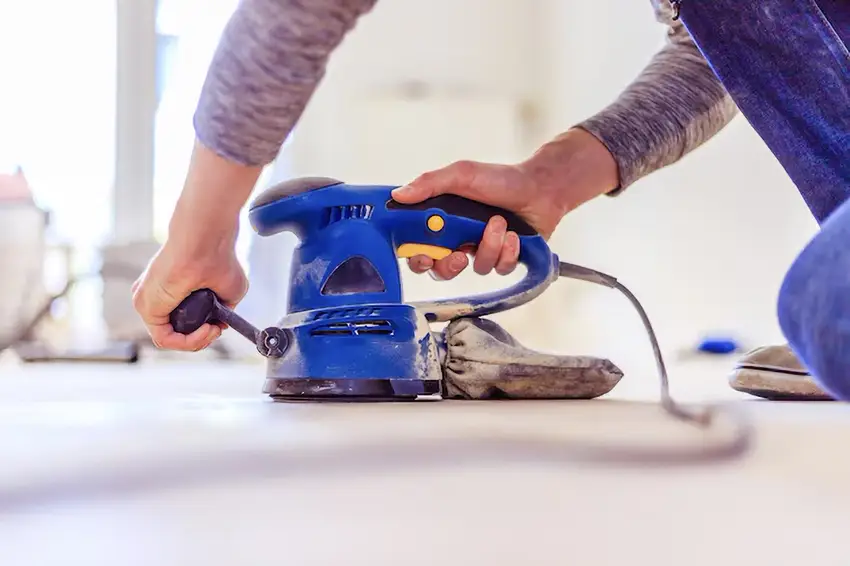
Floor sanders and finishers transform rough wooden floors into smooth, beautiful surfaces using specialized sanding machines and hand tools. You'll scrape, sand, and apply protective finishes to seal the wood, while also creating decorative designs with mosaic tiles. This hands-on job combines technical skills with creativity, requiring precision work with both power tools and detailed hand finishing. Many professionals learn through apprenticeships or vocational training, and the work often involves collaborating with contractors and interior designers.
Did you know?
This occupation involves heavy lifting, prolonged kneeling, and exposure to dust and chemical fumes, requiring strong physical fitness and proper safety equipment usage.
At a Glance
$51,204.29 Avg/yr
Median Wage
Stable
Growth
Quality Control Analysis
Top Skill
Key Responsibilities
- Guide sanding machines over surfaces of floors until surfaces are smooth.
- Inspect floors for smoothness.
- Remove excess glue from joints, using knives, scrapers, or wood chisels.
- Attach sandpaper to rollers of sanding machines.
- Buff and vacuum floors to ensure their cleanliness prior to the application of finish.
- Scrape and sand floor edges and areas inaccessible to floor sanders, using scrapers, disk-type sanders, and sandpaper.
- Apply filler compound and coats of finish to floors to seal wood.
Career Considerations
Physical Demands and Health Risks
This occupation involves heavy lifting, prolonged kneeling, and exposure to dust and chemical fumes, requiring strong physical fitness and proper safety equipment usage.
Skill Development and Training Requirements
Success requires mastering specialized equipment operation, learning various wood types and finishing techniques, often through apprenticeships or vocational programs.
Market Demand and Seasonal Fluctuations
Job availability is closely tied to housing market trends and renovation cycles, with potential seasonal variations affecting steady employment.