Forest and Conservation Technicians
Overview
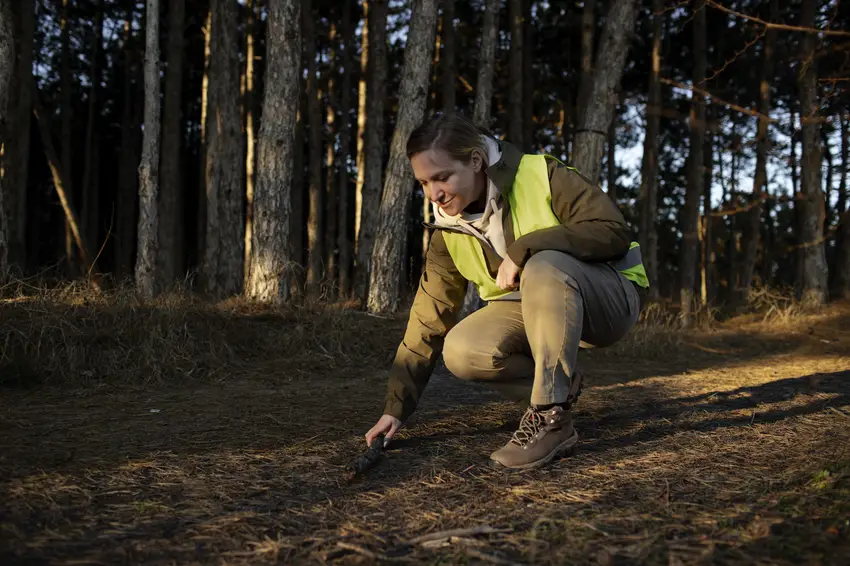
Forest and Conservation Technicians work outdoors to protect and manage forests, wildlife habitats, and natural resources. They select trees for harvesting, supervise forest operations, train conservation crews, and help prevent forest fires using GPS technology and digital mapping tools. This hands-on career involves collaborating with scientists and forestry teams to monitor logging activities, enforce environmental regulations, and maintain recreational areas. You can prepare for this field through environmental science courses, outdoor education programs, or forestry technology degrees.
Did you know?
Most positions require a bachelor's degree in environmental science, biology, or related field, with many employers preferring additional certifications from organizations like the National Registry of Environmental Professionals.
At a Glance
$51,218.14 Avg/yr
Median Wage
Stable
Growth
Troubleshooting
Top Skill
Key Responsibilities
- Select and mark trees for thinning or logging, drawing detailed plans that include access roads.
- Train and lead forest and conservation workers in seasonal activities, such as planting tree seedlings, putting out forest fires, and maintaining recreational facilities.
- Conduct laboratory or field experiments with plants, animals, insects, diseases, and soils.
- Map forest tract data using digital mapping systems.
- Issue fire permits, timber permits, and other forest use licenses.
- Supervise forest nursery operations, timber harvesting, land use activities such as livestock grazing, and disease or insect control programs.
- Survey, measure, and map access roads and forest areas such as burns, cut-over areas, experimental plots, and timber sales sections.
- Provide technical support to forestry research programs in areas such as tree improvement, seed orchard operations, insect and disease surveys, or experimental forestry and forest engineering research.
- Monitor activities of logging companies and contractors.
- Provide forestry education and general information, advice, and recommendations to woodlot owners, community organizations, and the general public.
- Perform reforestation or forest renewal, including nursery and silviculture operations, site preparation, seeding and tree planting programs, cone collection, and tree improvement.
- Manage forest protection activities, including fire control, fire crew training, and coordination of fire detection and public education programs.
- Plan and supervise construction of access routes and forest roads.
- Provide information about, and enforce, regulations, such as those concerning environmental protection, resource utilization, fire safety, and accident prevention.
- Thin and space trees and control weeds and undergrowth, using manual tools and chemicals, or supervise workers performing these tasks.
- Keep records of the amount and condition of logs taken to mills.
- Inspect trees and collect samples of plants, seeds, foliage, bark, and roots to locate insect and disease damage.
- Develop and maintain computer databases.
- Measure distances, clean sightlines, and record data to help survey crews.
- Patrol park or forest areas to protect resources and prevent damage.
Career Considerations
Educational Requirements and Certifications
Most positions require a bachelor's degree in environmental science, biology, or related field, with many employers preferring additional certifications from organizations like the National Registry of Environmental Professionals.
Physical Demands and Outdoor Work Conditions
The role involves extensive fieldwork in various weather conditions and terrains, requiring physical stamina and the ability to work in potentially hazardous environments while following strict safety protocols.
Regulatory Knowledge and Compliance
Success requires thorough understanding of federal environmental laws (Clean Air Act, Clean Water Act) and state regulations, as investigations often support legal compliance or enforcement actions.