Foresters
Overview
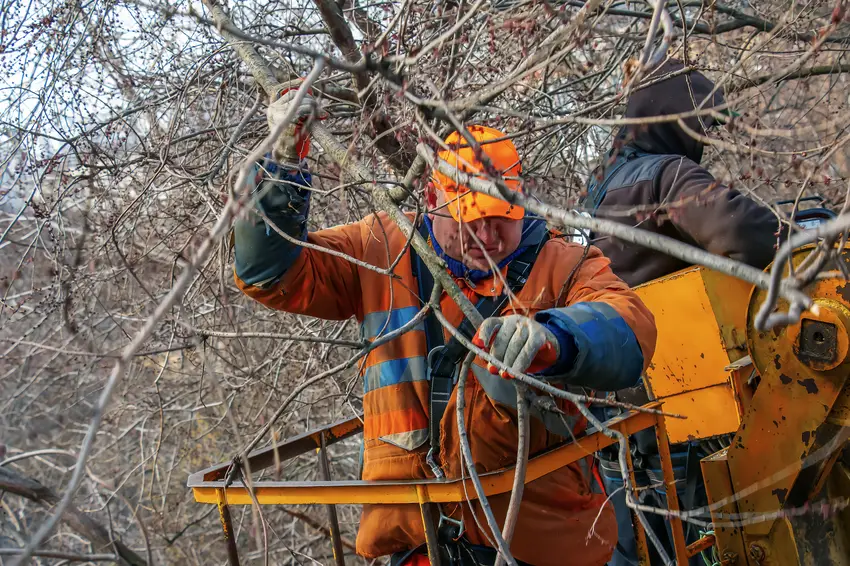
Foresters are like environmental guardians who protect and manage forests, parks, and natural lands to keep them healthy for future generations. They use cool technology like drones, GPS systems, and satellite imagery to monitor forest health, plan where to plant new trees, and even help fight forest fires. This job involves working outdoors with diverse teams including government agencies, private landowners, and environmental scientists to balance conservation with responsible land use. You can prepare for this career through environmental science, forestry, or natural resource management programs.
Did you know?
Most forestry positions in the US require a bachelor's degree in forestry or related field, with many states requiring professional licensing or certification for certain roles.
At a Glance
$69,425.23 Avg/yr
Median Wage
Stable
Growth
Monitoring
Top Skill
Key Responsibilities
- Monitor contract compliance and results of forestry activities to assure adherence to government regulations.
- Plan cutting programs and manage timber sales from harvested areas, assisting companies to achieve production goals.
- Contact local forest owners and gain permission to take inventory of the type, amount, and location of all standing timber on the property.
- Provide advice and recommendations, as a consultant on forestry issues, to private woodlot owners, firefighters, government agencies or to companies.
- Study different tree species' classification, life history, light and soil requirements, adaptation to new environmental conditions and resistance to disease and insects.
- Supervise activities of other forestry workers.
- Conduct public educational programs on forest care and conservation.
- Map forest area soils and vegetation to estimate the amount of standing timber and future value and growth.
- Establish short- and long-term plans for management of forest lands and forest resources.
- Subcontract with loggers or pulpwood cutters for tree removal and to aid in road layout.
- Plan and implement projects for conservation of wildlife habitats and soil and water quality.
- Monitor wildlife populations and assess the impacts of forest operations on population and habitats.
- Direct, and participate in, forest fire suppression.
- Procure timber from private landowners.
- Negotiate terms and conditions of agreements and contracts for forest harvesting, forest management and leasing of forest lands.
- Analyze effect of forest conditions on tree growth rates and tree species prevalence and the yield, duration, seed production, growth viability, and germination of different species.
- Plan and supervise forestry projects, such as determining the type, number and placement of trees to be planted, managing tree nurseries, thinning forest and monitoring growth of new seedlings.
- Plan and direct construction and maintenance of recreation facilities, fire towers, trails, roads and bridges, ensuring that they comply with guidelines and regulations set for forested public lands.
- Monitor forest-cleared lands to ensure that they are reclaimed to their most suitable end use.
- Determine methods of cutting and removing timber with minimum waste and environmental damage.
- Develop new techniques for wood or residue use.
- Perform inspections of forests or forest nurseries.
- Plan and direct forest surveys and related studies and prepare reports and recommendations.
- Develop techniques for measuring and identifying trees.
- Choose and prepare sites for new trees, using controlled burning, bulldozers, or herbicides to clear weeds, brush, and logging debris.
Career Considerations
Educational Requirements and Certification
Most forestry positions in the US require a bachelor's degree in forestry or related field, with many states requiring professional licensing or certification for certain roles.
Physical Demands and Outdoor Work Environment
Foresters spend significant time outdoors in various weather conditions and terrain, requiring physical fitness and comfort with remote field work.
Geographic Job Market Concentration
Employment opportunities are heavily concentrated in forested regions like the Pacific Northwest, Southeast, and Northeast, limiting job mobility to specific geographic areas.