Hydrologists
Overview
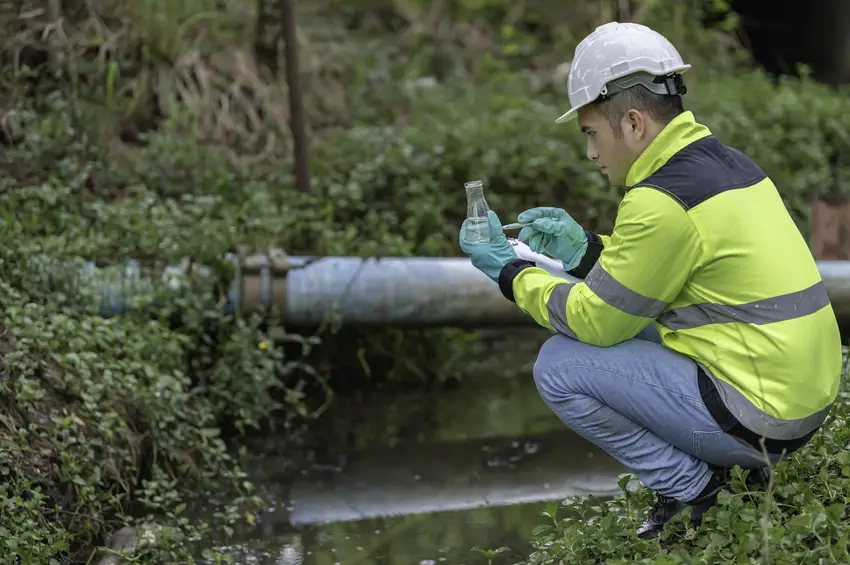
Hydrologists are water detectives who study how water moves through our planet, from rainfall and snowmelt to rivers, lakes, and underground sources. They collect water and soil samples, measure stream flows, and use advanced computer models to predict floods, droughts, and water availability for communities. These scientists analyze how pollution and climate changes affect our water supply, then work with engineers and policymakers to design solutions like water treatment plants and flood control systems. With a background in environmental science or geology, hydrologists spend time both in the field collecting data and in labs or offices analyzing their findings to protect this vital resource.
Did you know?
Most hydrology positions in the US require at least a bachelor's degree in hydrology, geology, environmental science, or related field, with many employers preferring advanced degrees for research and senior positions.
At a Glance
$94,367.94 Avg/yr
Median Wage
Stable
Growth
Operations Analysis
Top Skill
Key Responsibilities
- Coordinate and supervise the work of professional and technical staff, including research assistants, technologists, and technicians.
- Measure and graph phenomena such as lake levels, stream flows, and changes in water volumes.
- Monitor the work of well contractors, exploratory borers, and engineers and enforce rules regarding their activities.
- Study and document quantities, distribution, disposition, and development of underground and surface waters.
- Apply research findings to help minimize the environmental impacts of pollution, waterborne diseases, erosion, and sedimentation.
- Evaluate data and provide recommendations regarding the feasibility of municipal projects, such as hydroelectric power plants, irrigation systems, flood warning systems, and waste treatment facilities.
- Install, maintain, and calibrate instruments such as those that monitor water levels, rainfall, and sediments.
- Compile and evaluate hydrologic information to prepare navigational charts and maps and to predict atmospheric conditions.
- Investigate properties, origins, and activities of glaciers, ice, snow, and permafrost.
- Develop or modify methods for conducting hydrologic studies.
- Answer questions and provide technical assistance and information to contractors or the public regarding issues such as well drilling, code requirements, hydrology, and geology.
- Administer programs designed to ensure the proper sealing of abandoned wells.
- Study and analyze the physical aspects of the earth in terms of hydrological components, including atmosphere, hydrosphere, and interior structure.
- Prepare written and oral reports describing research results, using illustrations, maps, appendices, and other information.
- Evaluate research data in terms of its impact on issues such as soil and water conservation, flood control planning, and water supply forecasting.
- Prepare hydrogeologic evaluations of known or suspected hazardous waste sites and land treatment and feedlot facilities.
- Collect and analyze water samples as part of field investigations or to validate data from automatic monitors.
- Design civil works associated with hydrographic activities and supervise their construction, installation, and maintenance.
- Design and conduct scientific hydrogeological investigations to ensure that accurate and appropriate information is available for use in water resource management decisions.
- Study public water supply issues, including flood and drought risks, water quality, wastewater, and impacts on wetland habitats.
- Conduct research and communicate information to promote the conservation and preservation of water resources.
- Review applications for site plans and permits and recommend approval, denial, modification, or further investigative action.
- Conduct short- and long-term climate assessments and study storm occurrences.
- Investigate complaints or conflicts related to the alteration of public waters, gathering information, recommending alternatives, informing participants of progress, and preparing draft orders.
- Develop computer models for hydrologic predictions.
Career Considerations
Educational Requirements and Certification
Most hydrology positions in the US require at least a bachelor's degree in hydrology, geology, environmental science, or related field, with many employers preferring advanced degrees for research and senior positions.
Government vs Private Sector Opportunities
Hydrologists can work for federal agencies like USGS and EPA, state environmental departments, or private consulting firms, each offering different career paths, job security levels, and salary ranges.
Growing Demand Due to Climate Concerns
The increasing focus on water resource management, climate change adaptation, and environmental protection in the US is creating expanding job opportunities for qualified hydrologists.