Industrial Production Managers
Overview
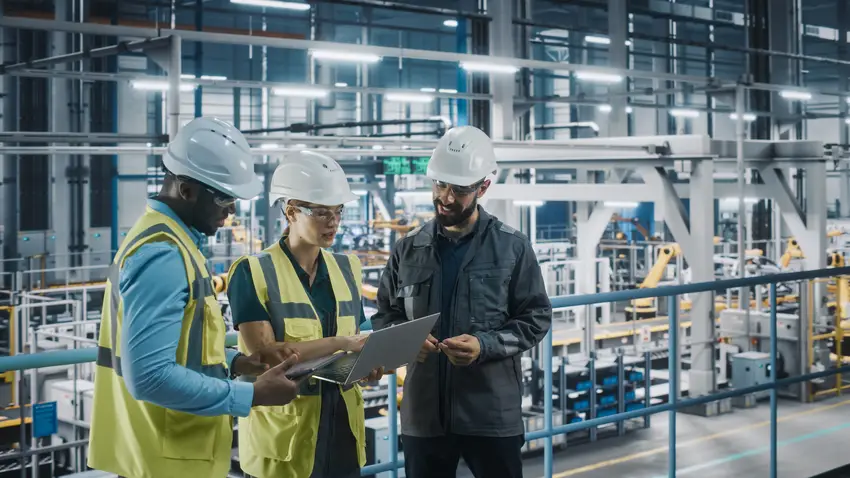
Industrial Production Managers are like the conductors of a manufacturing orchestra, overseeing factories that make everything from cars to smartphones. They coordinate teams of workers, manage high-tech equipment, and use data analytics software to ensure products are made on time and within budget. These managers solve problems, hire and train staff, and work closely with sales teams and suppliers to keep production running smoothly. Many start with a bachelor's degree in engineering or business and often work in collaborative environments where they balance office work with hands-on factory floor management.
Did you know?
Most positions require a bachelor's degree in engineering, business, or related field, with employers often preferring candidates who have manufacturing experience and continuous learning in industry best practices.
At a Glance
$119,348 Avg/yr
Median Wage
Stable
Growth
Service Orientation
Top Skill
Key Responsibilities
- Hire, train, evaluate, or discharge staff or resolve personnel grievances.
- Direct or coordinate production, processing, distribution, or marketing activities of industrial organizations.
- Maintain records to demonstrate compliance with safety and environmental laws, regulations, or policies.
- Maintain current knowledge of the quality control field, relying on current literature pertaining to materials use, technological advances, or statistical studies.
- Review processing schedules or production orders to make decisions concerning inventory requirements, staffing requirements, work procedures, or duty assignments, considering budgetary limitations and time constraints.
- Negotiate materials prices with suppliers.
- Monitor permit requirements for updates.
- Review operations and confer with technical or administrative staff to resolve production or processing problems.
- Implement operational and emergency procedures.
- Coordinate or recommend procedures for facility or equipment maintenance or modification, including the replacement of machines.
- Initiate or coordinate inventory or cost control programs.
- Develop or implement production tracking or quality control systems, analyzing production, quality control, maintenance, or other operational reports to detect production problems.
- Develop or enforce procedures for normal operation of manufacturing systems.
- Set and monitor product standards, examining samples of raw products or directing testing during processing, to ensure finished products are of prescribed quality.
- Conduct site audits to ensure adherence to safety and environmental regulations.
- Prepare and maintain production reports or personnel records.
- Develop budgets or approve expenditures for supplies, materials, or human resources, ensuring that materials, labor, or equipment are used efficiently to meet production targets.
- Review plans and confer with research or support staff to develop new products or processes.
- Optimize operational costs and productivity consistent with safety and environmental rules and regulations.
- Prepare reports on operations and system productivity or efficiency.
- Supervise subordinate employees.
Career Considerations
Educational Requirements and Professional Development
Most positions require a bachelor's degree in engineering, business, or related field, with employers often preferring candidates who have manufacturing experience and continuous learning in industry best practices.
Technology Adaptation and Automation
The role increasingly demands proficiency in advanced manufacturing technologies, automation systems, and data analytics as American manufacturing becomes more digitized and efficient.
Regulatory Compliance and Safety Management
Industrial Production Managers must ensure operations comply with OSHA, EPA, and other federal regulations while maintaining strict workplace safety standards and environmental protocols.