Restaurant Cooks
Overview
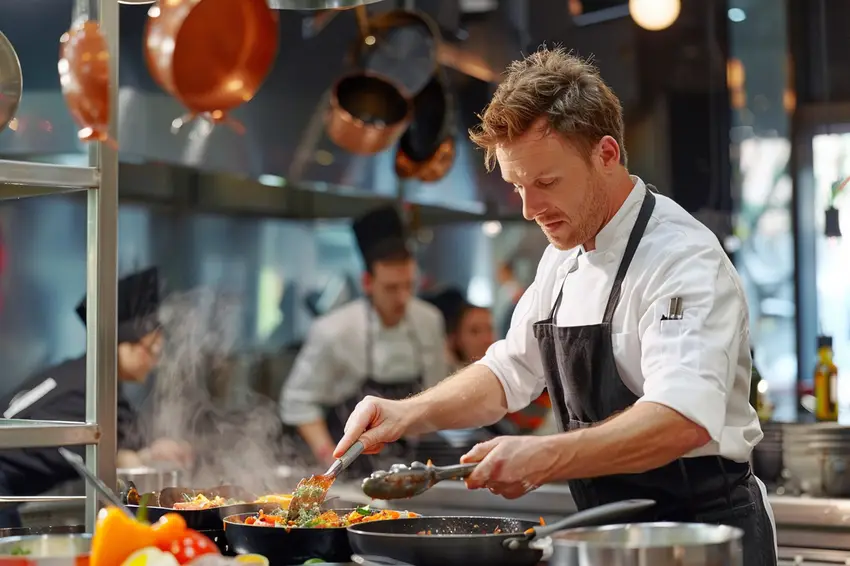
Restaurant cooks create delicious meals by preparing soups, salads, main dishes, and desserts using various cooking techniques like grilling, frying, baking, and roasting. They work in fast-paced kitchen environments, checking ingredient freshness, measuring recipes precisely, and often leading small teams of kitchen staff. Modern restaurant cooks use advanced kitchen equipment, digital ordering systems, and food safety technology to ensure quality meals. This career combines creativity with technical skills and offers opportunities to work in diverse dining establishments from casual cafes to upscale restaurants.
Did you know?
Restaurant cooks in America typically work in high-pressure, hot kitchen environments with long shifts that require standing for extended periods and handling heavy equipment.
At a Glance
$36,801.18 Avg/yr
Median Wage
Fast Growing
Growth
Management of Personnel Resources
Top Skill
Key Responsibilities
- Ensure food is stored and cooked at correct temperature by regulating temperature of ovens, broilers, grills, and roasters.
- Season and cook food according to recipes or personal judgment and experience.
- Wash, peel, cut, and seed fruits and vegetables to prepare them for consumption.
- Inspect and clean food preparation areas, such as equipment, work surfaces, and serving areas, to ensure safe and sanitary food-handling practices.
- Coordinate and supervise work of kitchen staff.
- Estimate expected food consumption, requisition or purchase supplies, or procure food from storage.
- Carve and trim meats such as beef, veal, ham, pork, and lamb for hot or cold service, or for sandwiches.
- Weigh, measure, and mix ingredients according to recipes or personal judgment, using various kitchen utensils and equipment.
- Prepare relishes and hors d'oeuvres.
- Observe and test foods to determine if they have been cooked sufficiently, using methods such as tasting, smelling, or piercing them with utensils.
- Consult with supervisory staff to plan menus, taking into consideration factors such as costs and special event needs.
- Ensure freshness of food and ingredients by checking for quality, keeping track of old and new items, and rotating stock.
- Bake, roast, broil, and steam meats, fish, vegetables, and other foods.
- Bake breads, rolls, cakes, and pastries.
- Keep records and accounts.
- Turn or stir foods to ensure even cooking.
- Portion, arrange, and garnish food, and serve food to waiters or patrons.
- Butcher and dress animals, fowl, or shellfish, or cut and bone meat prior to cooking.
- Substitute for or assist other cooks during emergencies or rush periods.
- Plan and price menu items.
Career Considerations
Physical Demands and Working Environment
Restaurant cooks in America typically work in high-pressure, hot kitchen environments with long shifts that require standing for extended periods and handling heavy equipment.
Career Advancement Opportunities
The American culinary industry offers clear progression paths from line cook to sous chef to head chef, often requiring additional culinary education or specialized training.
Compensation Structure
Most restaurant cooks in the US earn hourly wages that vary significantly by location and establishment type, with limited benefits compared to other industries.