Slaughterers and Meat Packers
Overview
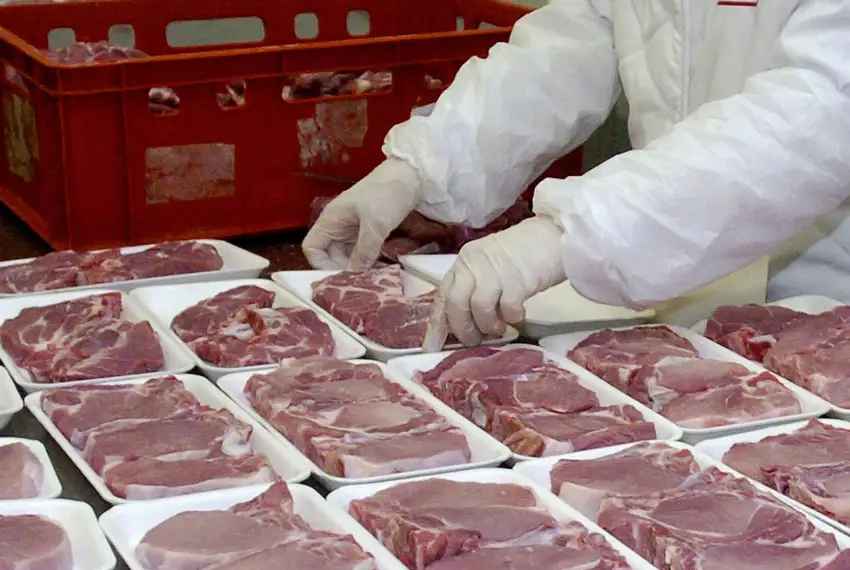
Slaughterers and meat packers work in food processing facilities to prepare meat products for grocery stores and restaurants. They use specialized tools and follow strict safety protocols to cut, trim, and package different types of meat, from standard cuts to premium selections and processed items like sausages. This hands-on job requires precision, physical stamina, and attention to detail while working as part of a team in fast-paced, regulated environments. Many workers enter this field through on-the-job training or vocational programs focused on food safety and meat processing techniques.
Did you know?
This role involves significant physical demands and potential safety hazards, requiring strict adherence to OSHA regulations and safety protocols in meat processing facilities.
At a Glance
$39,245.11 Avg/yr
Median Wage
Stable
Growth
Equipment Selection
Top Skill
Key Responsibilities
- Shackle hind legs of animals to raise them for slaughtering or skinning.
- Trim head meat, and sever or remove parts of animals' heads or skulls.
- Skin sections of animals or whole animals.
- Tend assembly lines, performing a few of the many cuts needed to process a carcass.
- Stun animals prior to slaughtering.
- Slit open, eviscerate, and trim carcasses of slaughtered animals.
- Sever jugular veins to drain blood and facilitate slaughtering.
- Shave or singe and defeather carcasses, and wash them in preparation for further processing or packaging.
- Remove bones, and cut meat into standard cuts in preparation for marketing.
- Grind meat into hamburger, and into trimmings used to prepare sausages, luncheon meats, and other meat products.
- Trim, clean, or cure animal hides.
- Wrap dressed carcasses or meat cuts.
- Cut, trim, skin, sort, and wash viscera of slaughtered animals to separate edible portions from offal.
- Saw, split, or scribe carcasses into smaller portions to facilitate handling.
Career Considerations
Workplace Safety and Physical Demands
This role involves significant physical demands and potential safety hazards, requiring strict adherence to OSHA regulations and safety protocols in meat processing facilities.
Job Stability and Industry Growth
The meat processing industry provides steady employment opportunities due to consistent consumer demand, though positions may be affected by automation and economic fluctuations.
Regulatory Compliance and Career Advancement
Advancement opportunities exist in quality assurance, food safety compliance, and supervisory roles, requiring knowledge of USDA and FDA regulations governing the American food industry.