Structural Metal Fabricators and Fitters
Overview
Structural metal fabricators and fitters build the metal framework that holds up buildings, bridges, and other structures by reading blueprints and using precision tools to cut, shape, and weld metal pieces together. They operate advanced machinery like computer-controlled cutting tools, welding equipment, and heavy-duty presses to create everything from skyscraper frames to stadium roofs. This hands-on career combines technical skills with problem-solving as workers collaborate in teams to ensure each metal component fits perfectly according to engineering specifications. Many professionals in this field complete apprenticeships or vocational training programs that lead to well-paying careers in construction, manufacturing, and infrastructure development.
Did you know?
Metal structure creators must obtain proper welding certifications and safety training to meet OSHA standards and employer requirements in the American market.
At a Glance
$51,047.61 Avg/yr
Median Wage
Stable
Growth
Active Listening
Top Skill
Key Responsibilities
- Lift or move materials and finished products, using large cranes.
- Heat-treat parts, using acetylene torches.
- Locate and mark workpiece bending and cutting lines, allowing for stock thickness, machine and welding shrinkage, and other component specifications.
- Tack-weld fitted parts together.
- Smooth workpiece edges and fix taps, tubes, and valves.
- Set up face blocks, jigs, and fixtures.
- Position, align, fit, and weld parts to form complete units or subunits, following blueprints and layout specifications, and using jigs, welding torches, and hand tools.
- Preheat workpieces to make them malleable, using hand torches or furnaces.
- Move parts into position, manually or with hoists or cranes.
- Lay out and examine metal stock or workpieces to be processed to ensure that specifications are met.
- Align and fit parts according to specifications, using jacks, turnbuckles, wedges, drift pins, pry bars, and hammers.
- Study engineering drawings and blueprints to determine materials requirements and task sequences.
- Install boilers, containers, and other structures.
- Position or tighten braces, jacks, clamps, ropes, or bolt straps, or bolt parts in position for welding or riveting.
- Mark reference points onto floors or face blocks and transpose them to workpieces, using measuring devices, squares, chalk, and soapstone.
- Design and construct templates and fixtures, using hand tools.
- Verify conformance of workpieces to specifications, using squares, rulers, and measuring tapes.
- Erect ladders and scaffolding to fit together large assemblies.
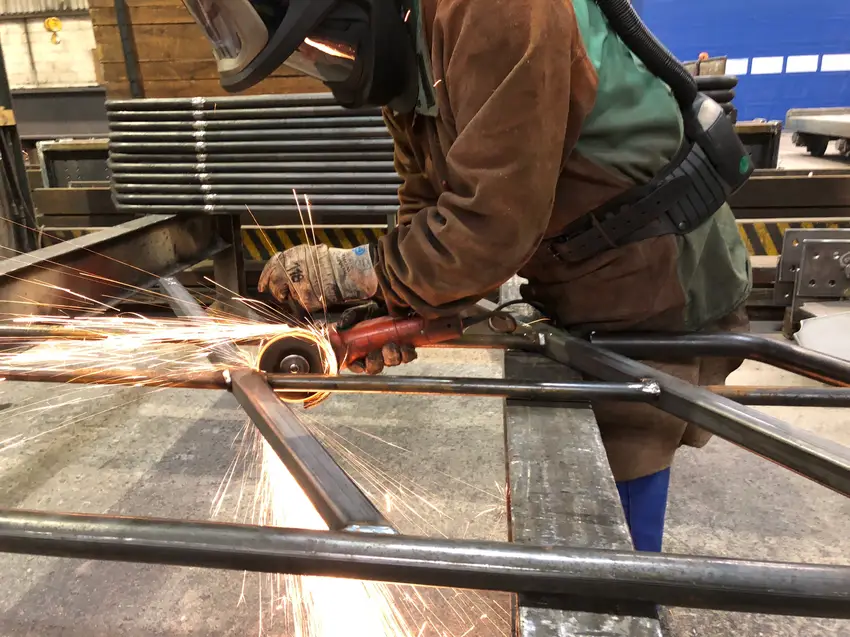
- Remove high spots and cut bevels, using hand files, portable grinders, and cutting torches.
- Direct welders to build up low spots or short pieces with weld.
- Hammer, chip, and grind workpieces to cut, bend, and straighten metal.
- Straighten warped or bent parts, using sledges, hand torches, straightening presses, or bulldozers.
- Set up and operate fabricating machines, such as brakes, rolls, shears, flame cutters, grinders, and drill presses, to bend, cut, form, punch, drill, or otherwise form and assemble metal components.
Career Considerations
Safety Certification Requirements
Metal structure creators must obtain proper welding certifications and safety training to meet OSHA standards and employer requirements in the American market.
Physical Demands and Working Conditions
This occupation involves heavy lifting, working in various weather conditions, and potential exposure to hazardous materials, requiring good physical health and stamina.
Market Demand Fluctuations
Employment opportunities are closely tied to construction and infrastructure projects, which can vary significantly based on economic conditions and government spending.