Textile Dyeing and Finishing Operators
Overview
Textile dyeing and finishing operators run specialized equipment that dyes, bleaches, and finishes fabrics used in clothing, home goods, and industrial products. You'll work with computer-controlled machines, mixing chemical solutions, monitoring quality through digital displays, and ensuring fabrics meet color and texture standards. This hands-on role combines technical skills with attention to detail, and many operators learn through on-the-job training or vocational programs. Modern textile facilities often emphasize teamwork and safety, with operators collaborating closely with quality control specialists and maintenance teams.
Did you know?
Success requires formal training in color theory, textile science, and proficiency with digital color matching systems commonly used in American manufacturing facilities.
At a Glance
$38,480 Avg/yr
Median Wage
Stable
Growth
Mathematics
Top Skill
Key Responsibilities
- Thread ends of cloth or twine through specified sections of equipment prior to processing.
- Monitor factors such as temperatures and dye flow rates to ensure that they are within specified ranges.
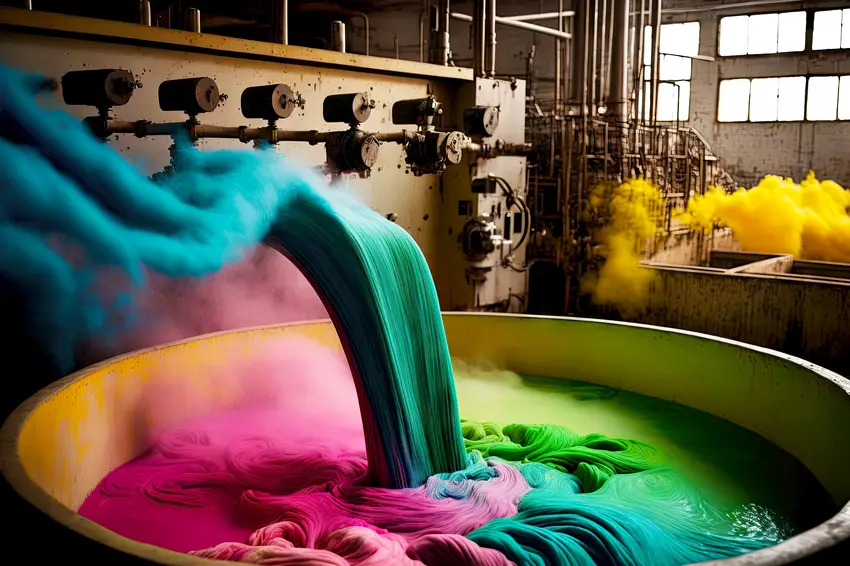
- Start and control machines and equipment to wash, bleach, dye, or otherwise process and finish fabric, yarn, thread, or other textile goods.
- Ravel seams that connect cloth ends when processing is completed.
- Add dyes, water, detergents, or chemicals to tanks to dilute or strengthen solutions, according to established formulas and solution test results.
- Remove dyed articles from tanks and machines for drying and further processing.
- Weigh ingredients, such as dye, to be mixed together for use in textile processing.
- Soak specified textile products for designated times.
- Mount rolls of cloth on machines, using hoists, or place textile goods in machines or pieces of equipment.
- Observe display screens, control panels, equipment, and cloth entering or exiting processes to determine if equipment is operating correctly.
- Notify supervisors or mechanics of equipment malfunctions.
- Perform machine maintenance, such as cleaning and oiling equipment, and repair or replace worn or defective parts.
- Study guides, charts, and specification sheets, and confer with supervisors to determine machine setup requirements.
- Key in processing instructions to program electronic equipment.
- Record production information such as fabric yardage processed, temperature readings, fabric tensions, and machine speeds.
- Adjust equipment controls to maintain specified heat, tension, and speed.
- Inspect machinery to determine necessary adjustments and repairs.
- Prepare dyeing machines for production runs, and conduct test runs of machines to ensure their proper operation.
- Confer with coworkers to get information about order details, processing plans, or problems that occur.
- Install, level, and align components such as gears, chains, dies, cutters, and needles.
- Examine and feel products to identify defects and variations from coloring and other processing standards.
- Sew ends of cloth together, by hand or using machines, to form endless lengths of cloth to facilitate processing.
- Test solutions used to process textile goods to detect variations from standards.
Career Considerations
Technical Education and Color Science Knowledge
Success requires formal training in color theory, textile science, and proficiency with digital color matching systems commonly used in American manufacturing facilities.
Geographic Location and Industry Networking
Career advancement often depends on proximity to major textile hubs like New York's Garment District or North Carolina's textile corridor, along with building relationships within fashion and manufacturing networks.
Sustainability and Environmental Compliance
Understanding eco-friendly dyeing processes and meeting increasingly strict environmental regulations is essential as American consumers and brands prioritize sustainable textile production.